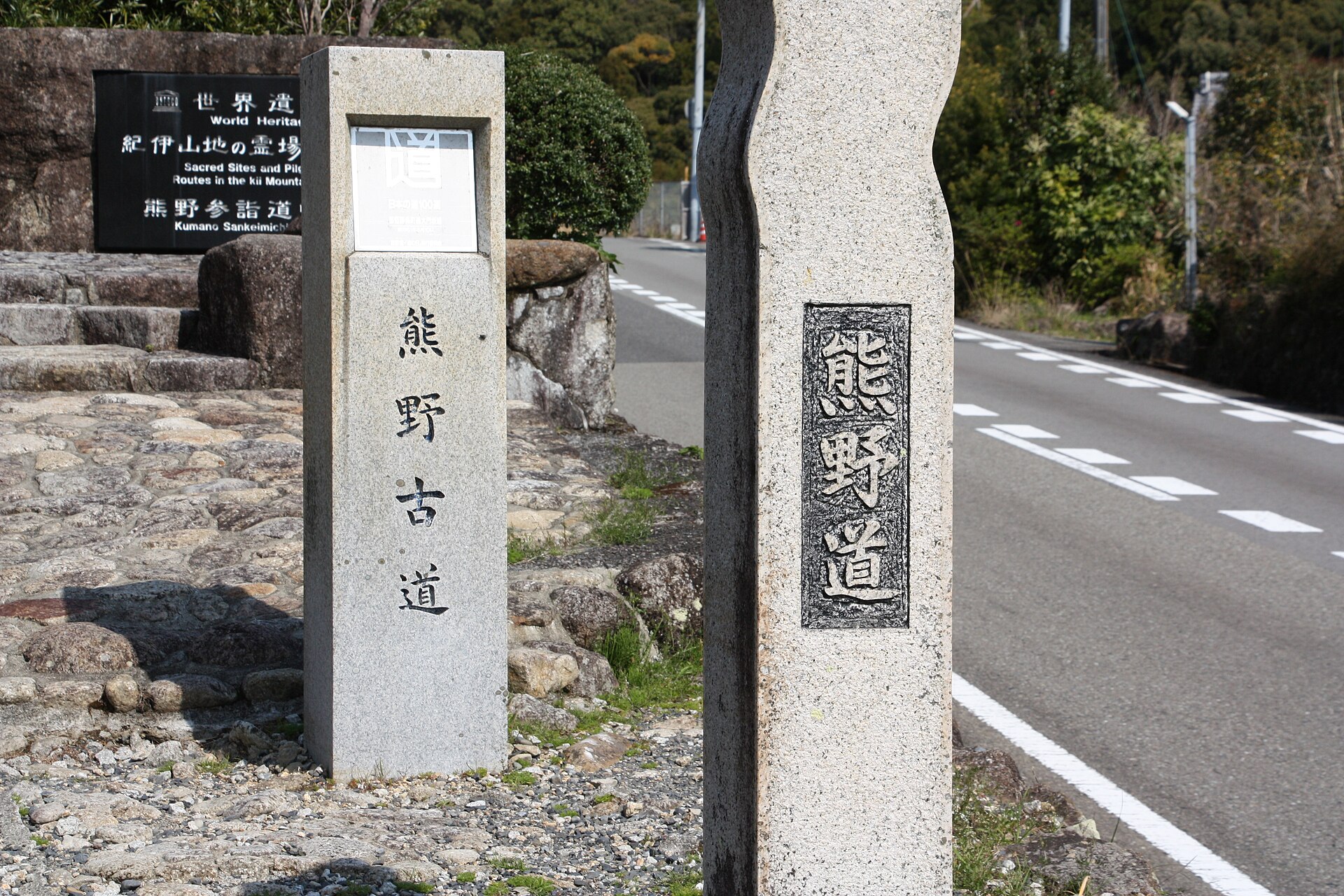
 Variant 01 · walk heavy
Classic Nakahechi
Takijiri → Takahara → Chikatsuyu → Hongu/Yunomine (rest) → Koguchi → Nachi. The standard 70 km pilgrimage.
- Dual Pilgrim ① + ②
- Must have a Koguchi bed
- Ogumotori is difficulty 5
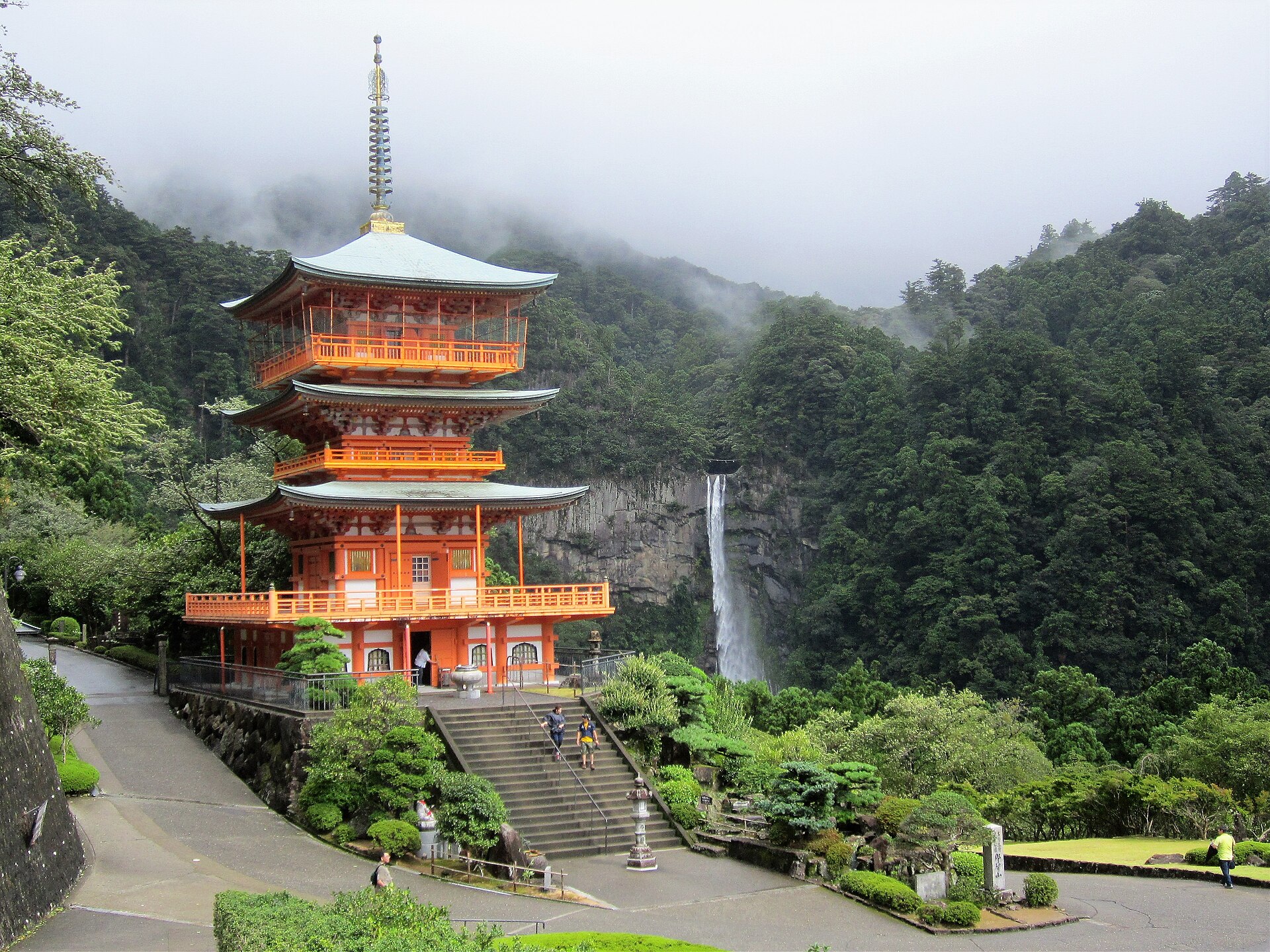
UNESCO · Kii Mountain Range · three routes + one refusal
Eight days after Kyoto. Three ways to walk the Kumano Kodo with named inns, bus stops, and bailouts. One plan that ignores the pilgrimage entirely and sends you to the Noto Peninsula instead, because that is the geography that actually sits between Kyoto and Tokyo.
You have about three weeks. Trail inns on Nakahechi and especially Koguchi and Miura-guchi are tiny and often go via Kumano Travel, which only accepts reservation requests 07:00–09:30 and 19:00–22:00 Japan time. Book the scarce village nights first, then Tanabe and Katsuura on Booking.com.
Kumano Kodo is not one path. It is a network that retired emperors, monks, and common pilgrims used to reach the three grand shrines — Hongu, Hayatama, Nachi — the Kumano Sanzan. Nakahechi is the imperial road from Tanabe. Kohechi is the mountain shortcut from Koyasan. Iseji is the eastern cobble-and-coast road (not used as a full eight-day plan here). All three variants below finish the Sanzan and put you on a train to Tokyo on 13 September.
Variant 01 · walk heavy
Takijiri → Takahara → Chikatsuyu → Hongu/Yunomine (rest) → Koguchi → Nachi. The standard 70 km pilgrimage.
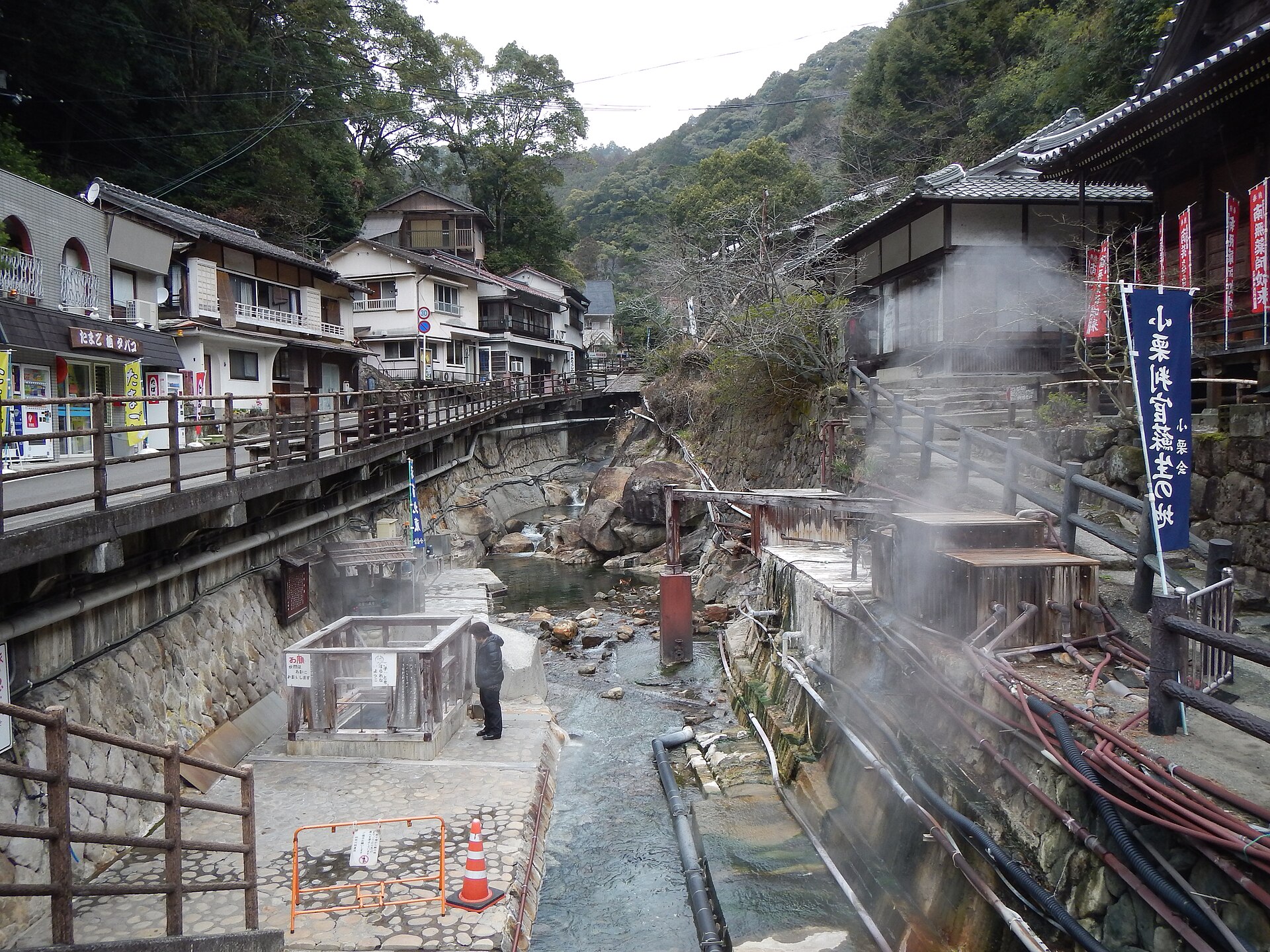 Variant 02 · onsen + boat
Same villages, bus skip of the 24 km day, traditional Kumano-gawa boat to Shingu, Daimon-zaka instead of Ogumotori.
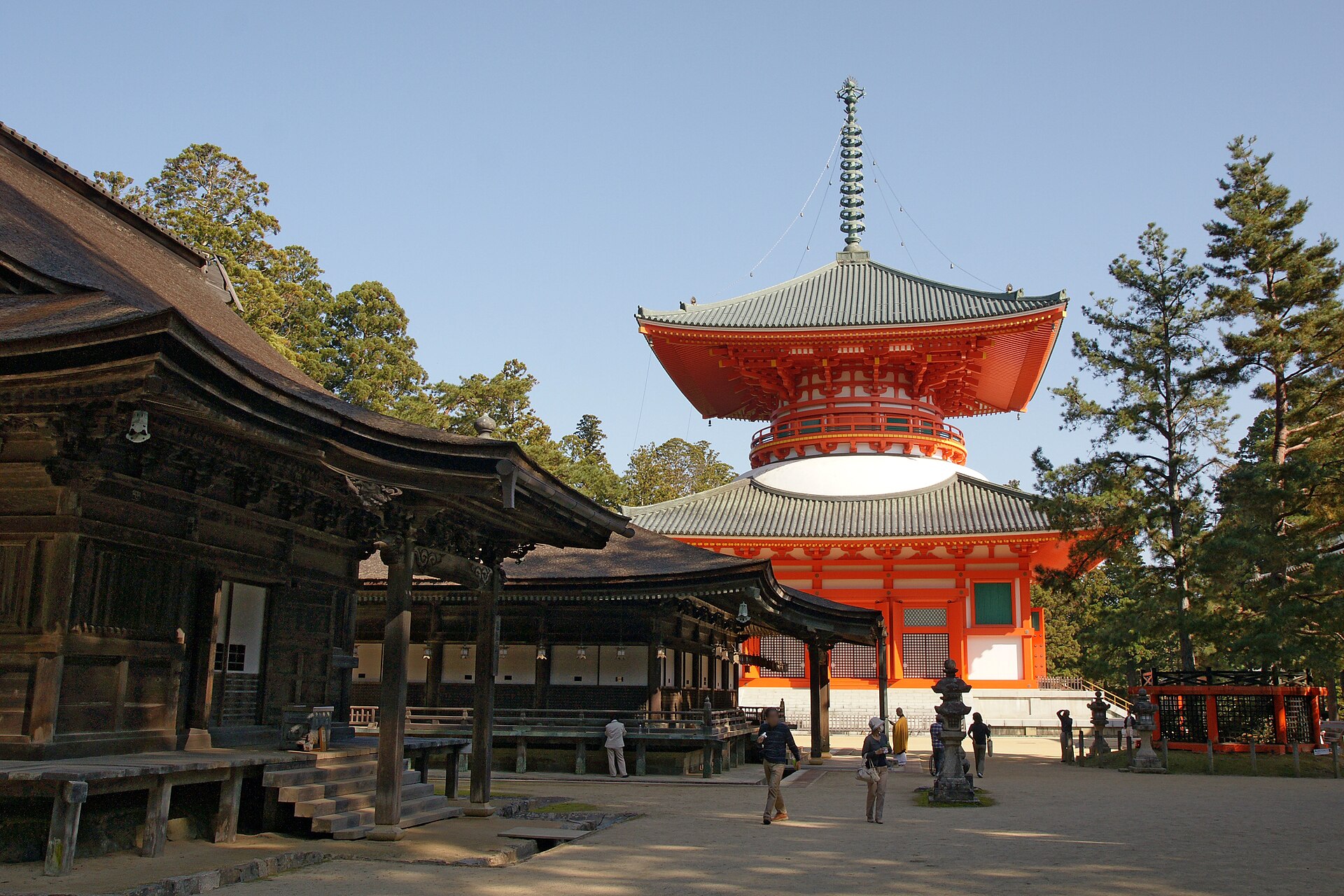 Variant 03 · experienced
Temple stay, then four 1,000 m passes Koyasan → Omata → Miura-guchi → Totsukawa → Hongu. Bus to Nachi. Empty trail.
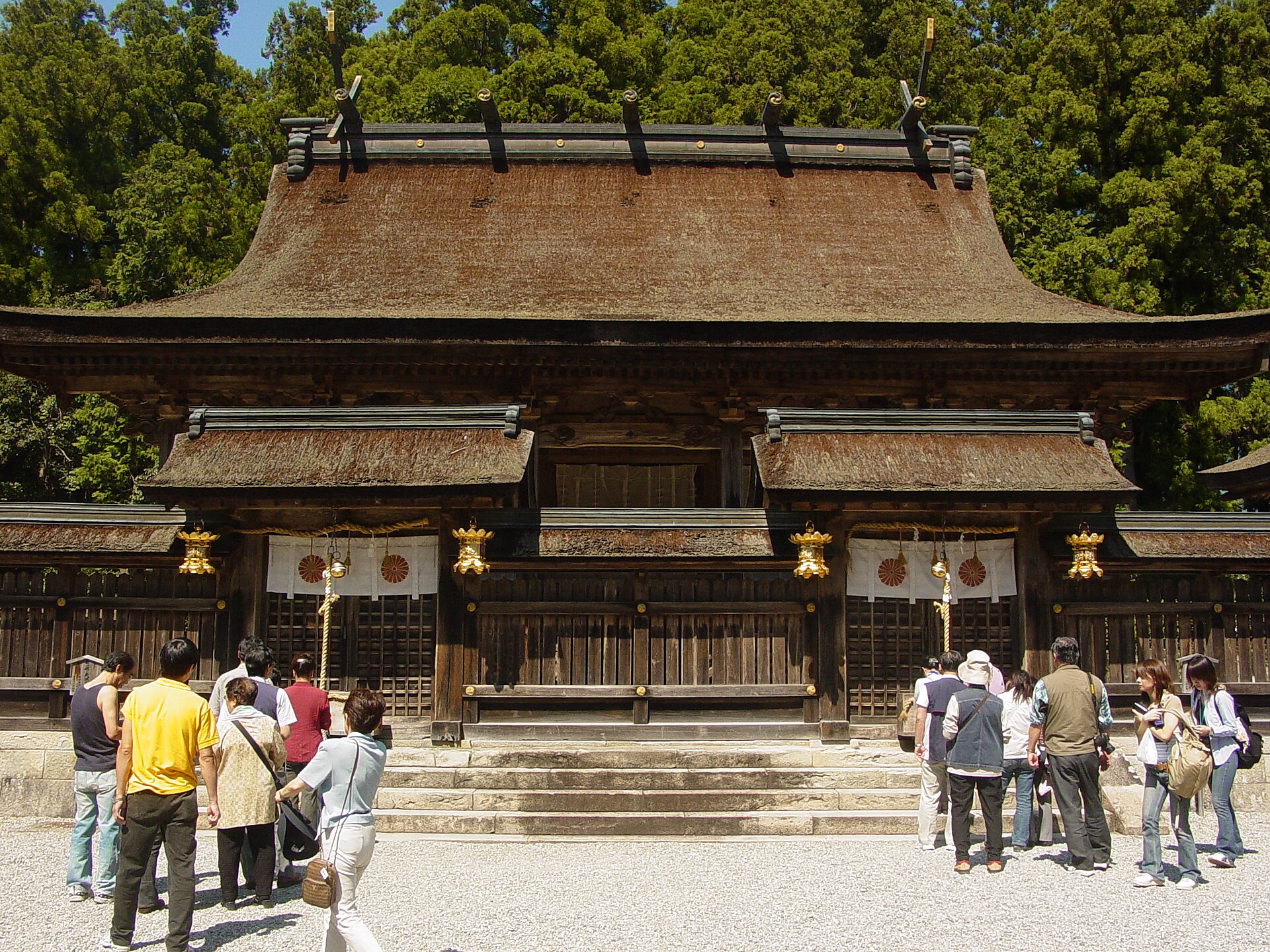
Kumano Hongu Taisha — head shrine of more than 3,000 Kumano shrines. The completion stamp for the Dual Pilgrim credential lives here.
Every stay name is a link. Where a village has more than one inn, all of them are listed so you can take whatever is left. Times are from the Tanabe City Kumano Tourism Bureau and Ryujin Bus 2026 notices — still re-check the PDF the week you go.
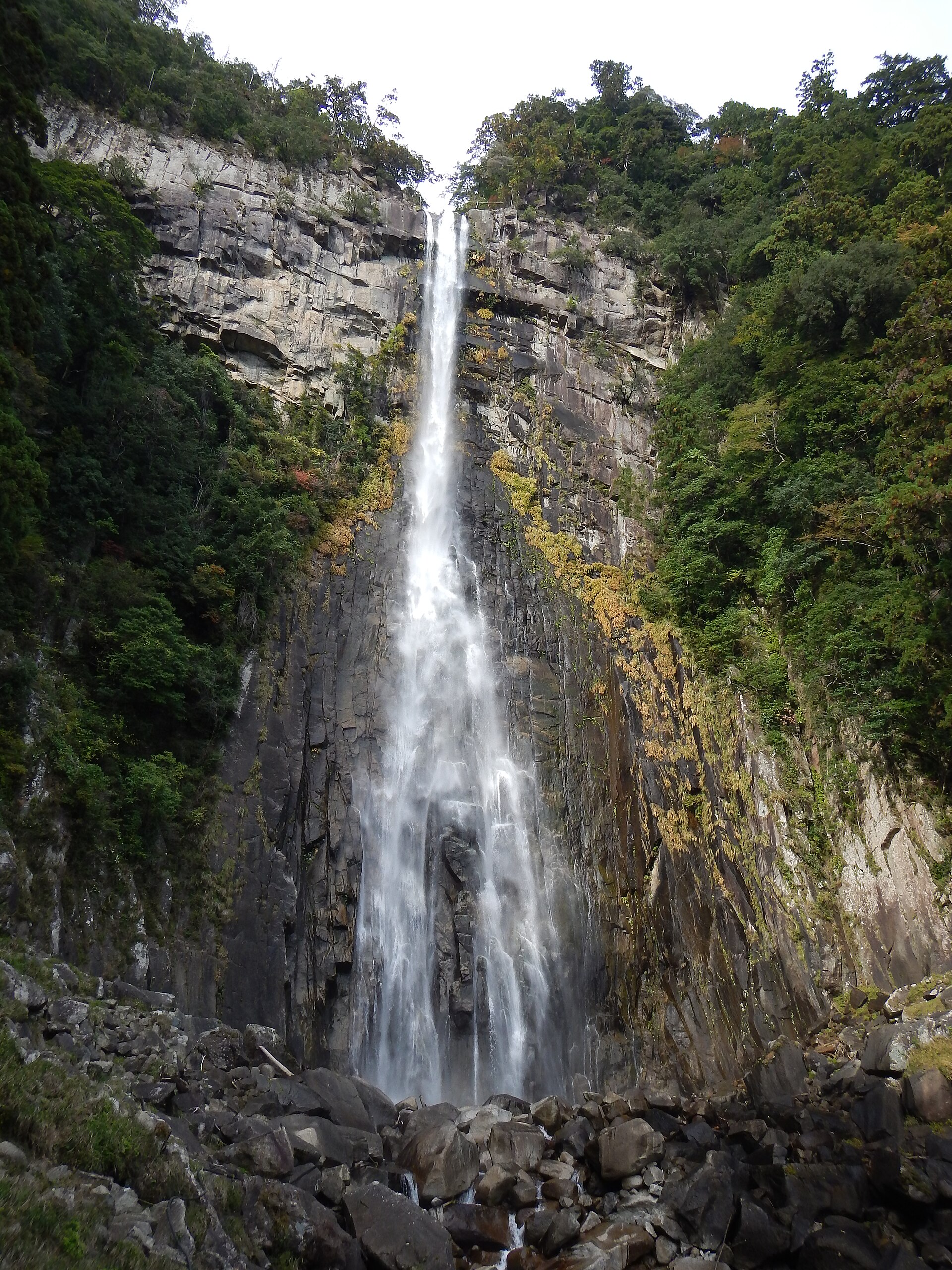
Nachi-no-taki, 133 m. Hiro-jinja sits at the basin. The pagoda view is a short walk above, at Seiganto-ji.
Red is Nakahechi / the coast shrines. Green is Kohechi from Koyasan. Gold is the Noto alternative, a different island of Honshu.
Kii-Tanabe / Shirahama → Takijiri, Chikatsuyu, Yunomine, Hongu, Hosshinmon.
Open timetable PDFHongu basin back to Tanabe. Last buses matter on the long Hongu day.
Open timetable PDFHongu ↔ Kanmaru transfer ↔ Koguchi ↔ Shingu. Carry this on Ogumotori day.
Open timetable PDFNachisan #8, Hosshinmon #6, onsen loop #11, Hongu–Nachi via Shingu #15.
tb-kumano bus hubDo not start with Tanabe hotels. The towns at the ends are easy. The villages in the middle are not.
Kumano Travel requests: 07:00–09:30 and 19:00–22:00 JST. Why the window exists. J-Hoppers Yunomine only allows bookings inside six months — that window is open now.
| Move | How | Time / money | Watch |
|---|---|---|---|
| Kyoto → Kii-Tanabe | Special Rapid or shinkansen to Shin-Osaka, Limited Express Kuroshio | ~2.5–3 h | Reserve Kuroshio. Do not start walking 6 Sep. |
| Kii-Tanabe → Takijiri | Local bus stop 2, timetable #1 | ~40 min | 8:32 fills. 8:37 is the overflow. 6:16 is the empty early bus. |
| Chikatsuyu → Hosshinmon / Hongu | Same Hongu line, timetables #1 and #6 | 30–70 min | This is how you skip the 24 km day. |
| Yunomine ↔ Hongu ↔ Kawayu | Timetable #11 loop | 5–15 min, short money | Use this constantly in the basin. |
| Ukegawa trailhead | Bus from Yunomine ~10 min, Kawayu ~5 min | — | Buy lunch at Shimoji/Yamazaki. Closed Wednesdays. |
| Hongu ↔ Koguchi | Timetable #5, usually transfer at Kanmaru | Under 1 h plus wait | Last bus from Koguchi ~17:24. Carry the PDF. |
| Nachisan ↔ Katsuura | Timetable #8 from Kii-Katsuura or Nachi Station | ~25–40 min, ~¥510–630 | Get off Daimon-zaka Chushajo-mae to walk the stairs. |
| Hongu → Nachi without walking | Bus to Shingu + bus/train to Nachi/Katsuura + bus up, or Sanzan circuit bus | ~2 h 15 / ¥2,580 or tour ¥6,900 | No direct bus. Circuit pickup: Kawayu 9:46, Watarase 9:48, Yunomine 9:54. No pickup in Hongu village. |
| Hongu → Shingu the old way | Bus to Michi-no-Eki Kumano-gawa, 10:00 traditional boat | ~90 min on the water, ¥4,950 | Book on Kumano Travel. Imperial pilgrims did this. |
| Koyasan ↔ Hongu | Ryujin Access Bus, reservation priority | ~4.5 h. 2026: 2 Apr–30 Nov, not Tue/Wed | 8–9 Sep 2026 are Tue/Wed. Bus 9:36 from Koyasan-eki, Hongu 14:22. Book Japan Bus Online. |
| Katsuura / Shingu → Tokyo | Kuroshio to Shin-Osaka, Nozomi to Tokyo | ~6–7 h | Morning Kuroshio from Shingu after Hayatama is the cleanest. |
| Kyoto → Kanazawa → Tokyo | Thunderbird + Hokuriku Shinkansen, then Hokuriku Shinkansen through | ~2–2.5 h each leg | This is the Noto plan’s entire point. |
JR Pass does not cover these local buses (Meiko, Ryujin, Nara Kotsu, Kumano Gobo Nankai). Cash or IC where accepted. Luggage shuttle is ~¥4,000/bag class — book it so you are not that person blocking the 8:32 aisle.
Early September is still summer in Wakayama: roughly 25–30°C, humidity around 80%, and one of the wettest months of the year (on the order of 300 mm and 10–19 rain days depending on the dataset). Trails are root, mud, and mossy stone. Typhoons are a real possibility. Variant 02 exists so a washed-out Ogumotori does not destroy the trip.
Free credential at Tanabe TIC, Takijiri Kan, Hongu Heritage Center, Shingu, Katsuura, or Koyasan.
① Walk Takijiri → Hongu (~38 km)
② Walk Hongu ↔ Nachi (~30 km via Koguchi)
③ Walk Hosshinmon → Hongu (~7 km) and visit Hayatama + Nachi
④ Walk Koyasan → Hongu (~65 km)
Completion stamp is Hongu Taisha. Register at the Heritage Center or Tanabe TIC with proof of Camino. There is a taiko ceremony at Hongu if you want it.
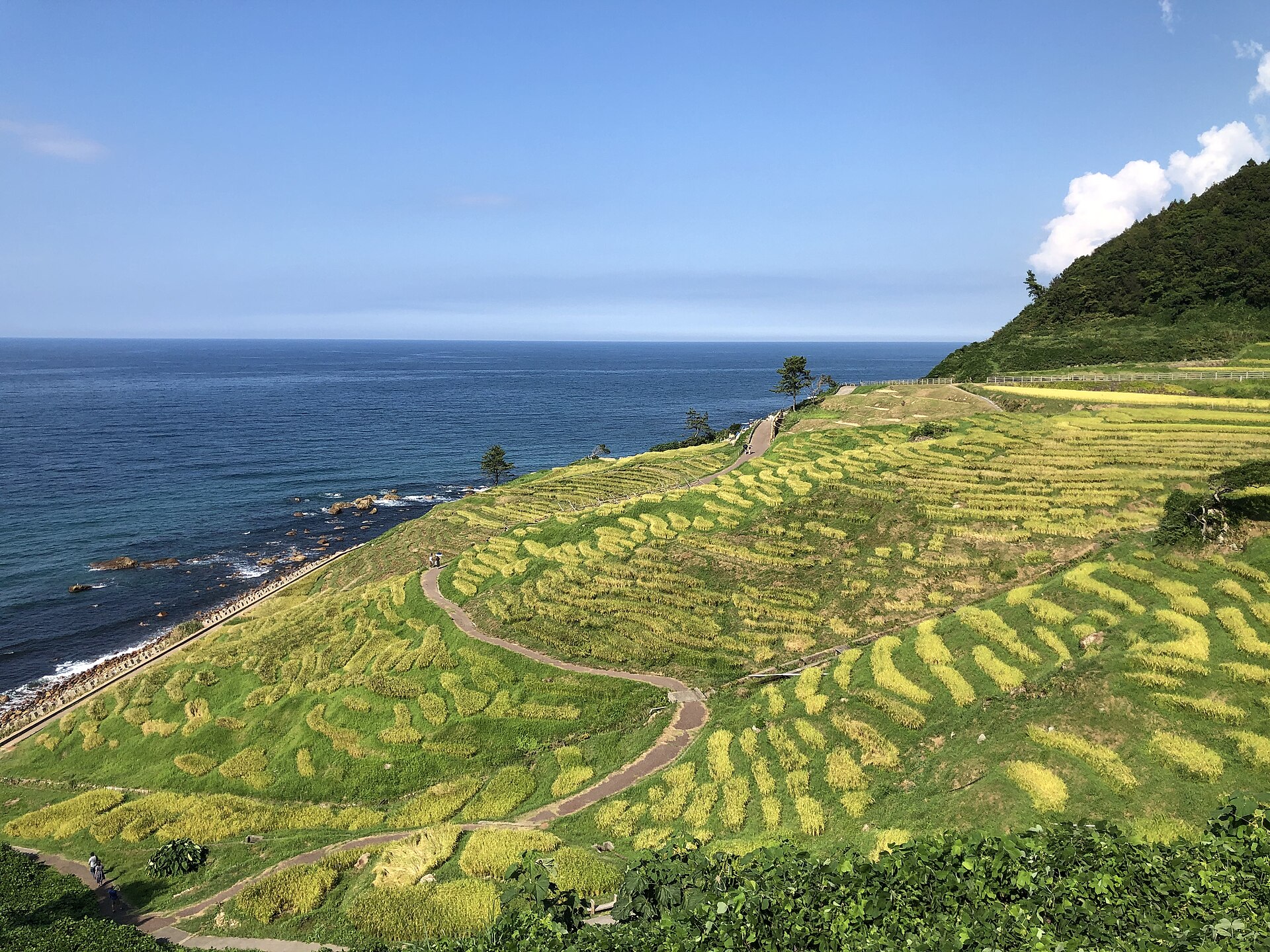
Shiroyone Senmaida, Wajima. This is the Noto plan — not a Kumano variant. 1,004 paddies, still farmed by hand.
Built from official Tanabe / Ryujin / Kumano Travel pages plus current 2026 operating notes. Inn prices move. Buses move. Confirm before you pay.
Kumano Kodo hub Suggested walks Nakahechi Kohechi Local buses Hongu–Nachi Kumano Travel Koyasan bus 2026 Koyasan shukubo Hotel Urashima Mitaki-sanso J-Hoppers Yunomine Noto from Kanazawa Noto access Kinoura Village Navitime trains